Eladio Dieste
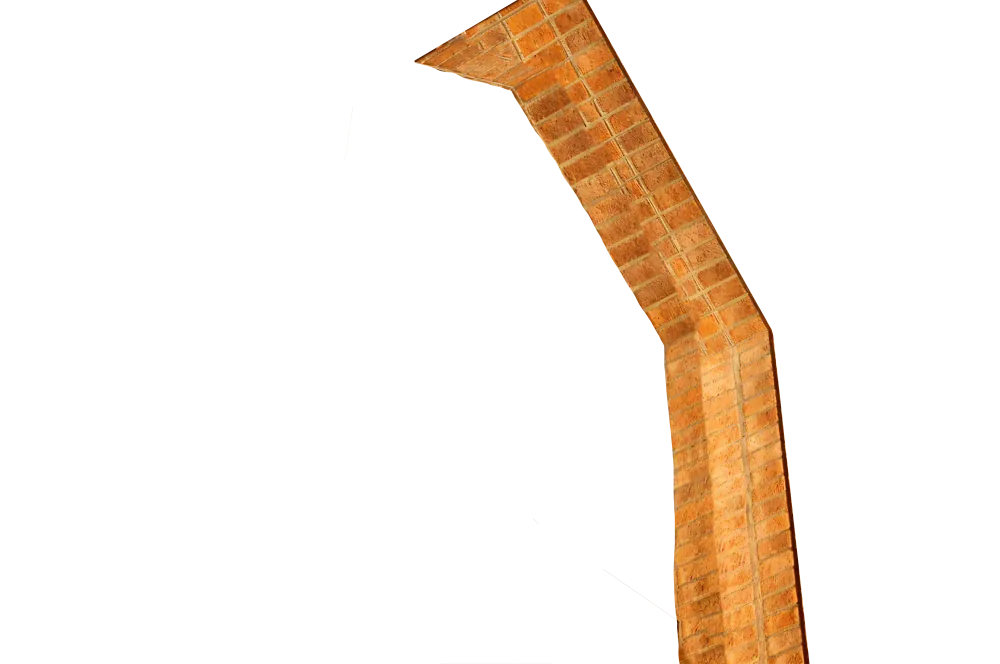
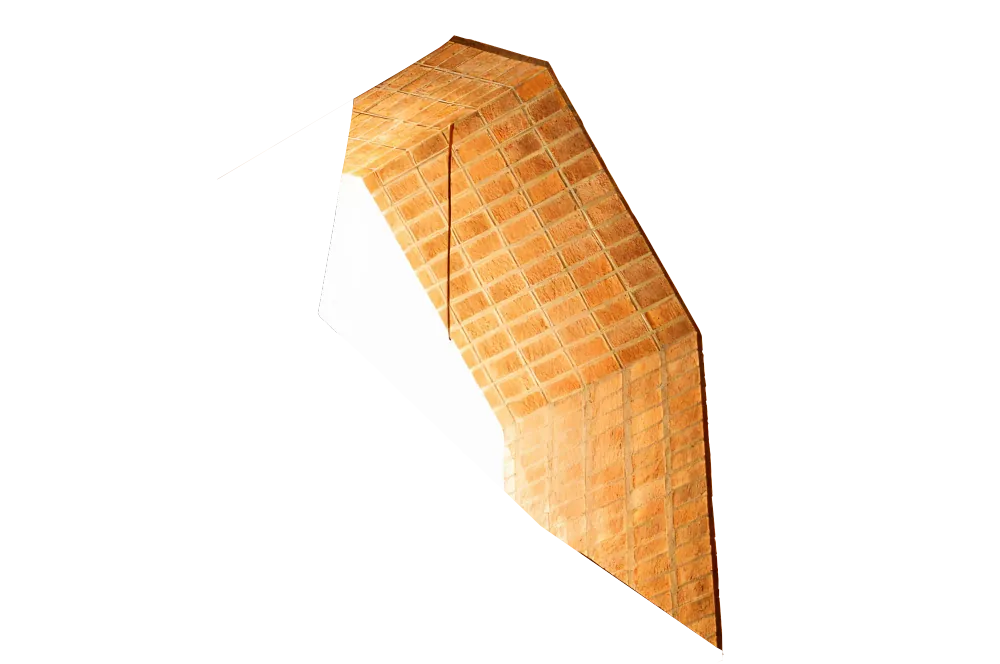
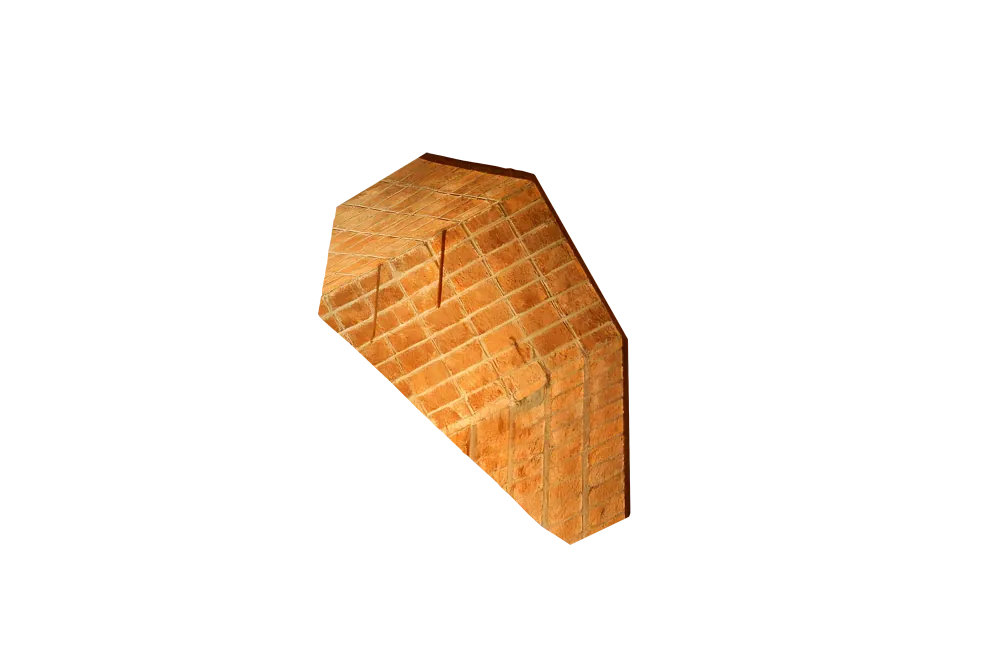
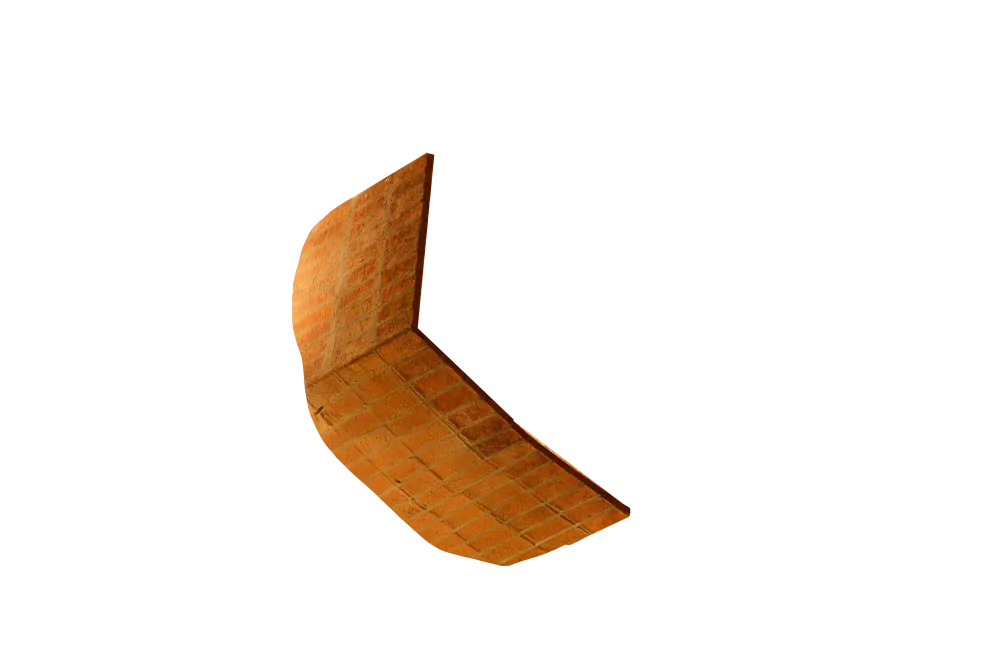
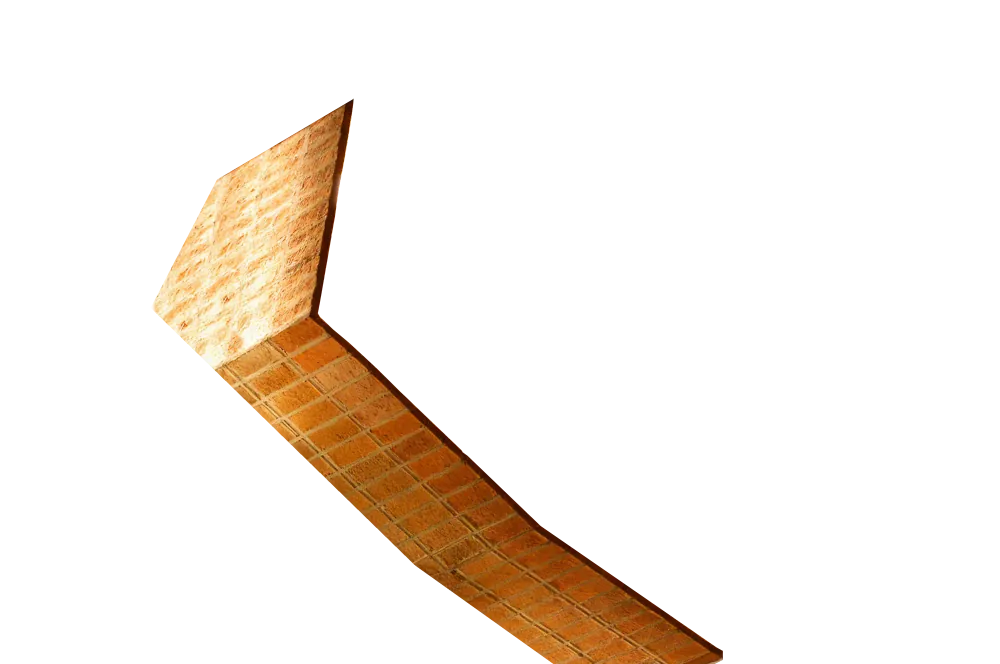
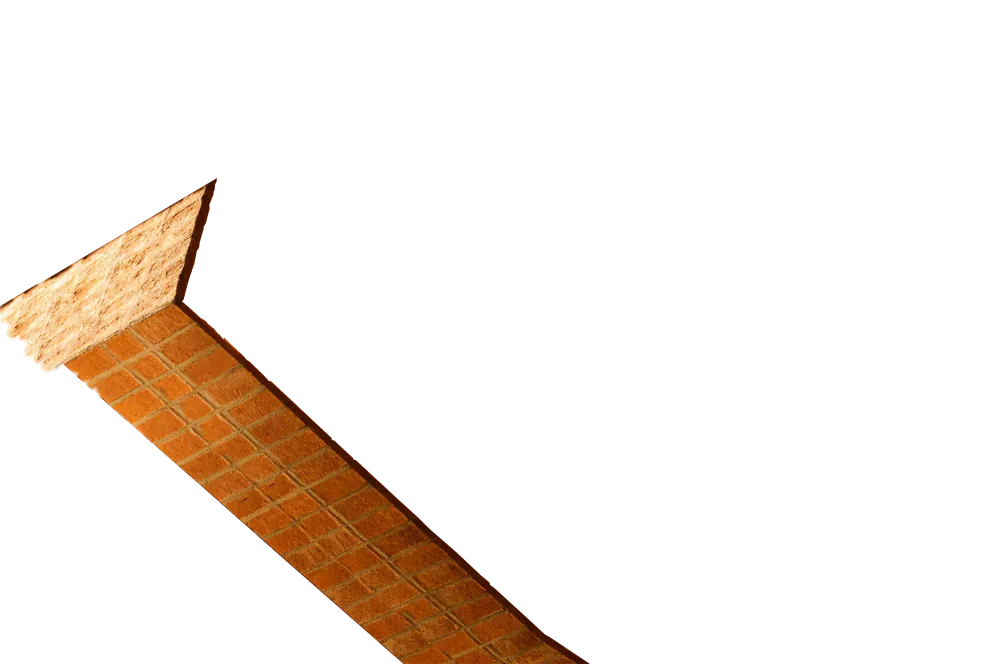


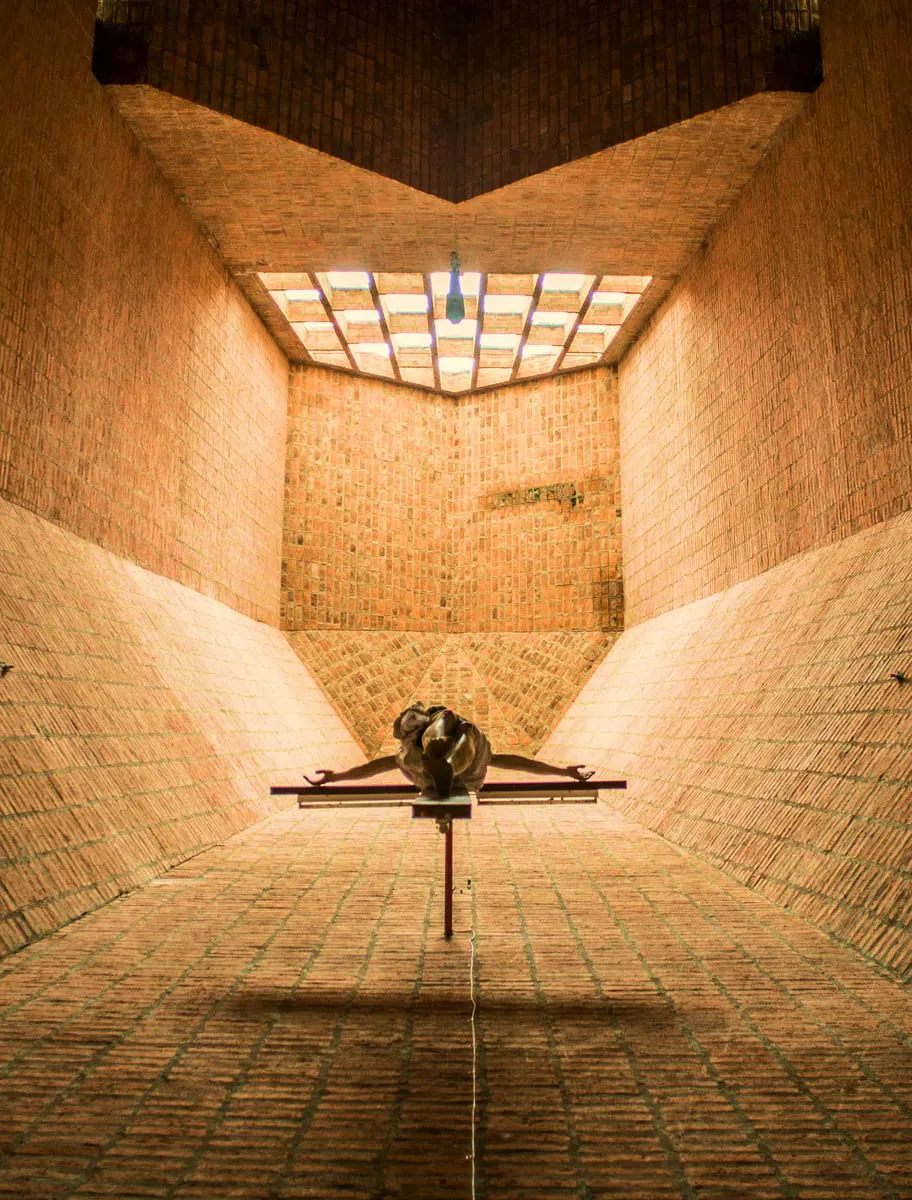
Eladio Dieste, the Uruguayan engineer, reshaped the way building was understood by turning clay into structures that were at once delicate and enduring. His work defined an entire way of making: buildings meant to be used, yet already works of art, where structural efficiency and aesthetic sensitivity are deeply fused.
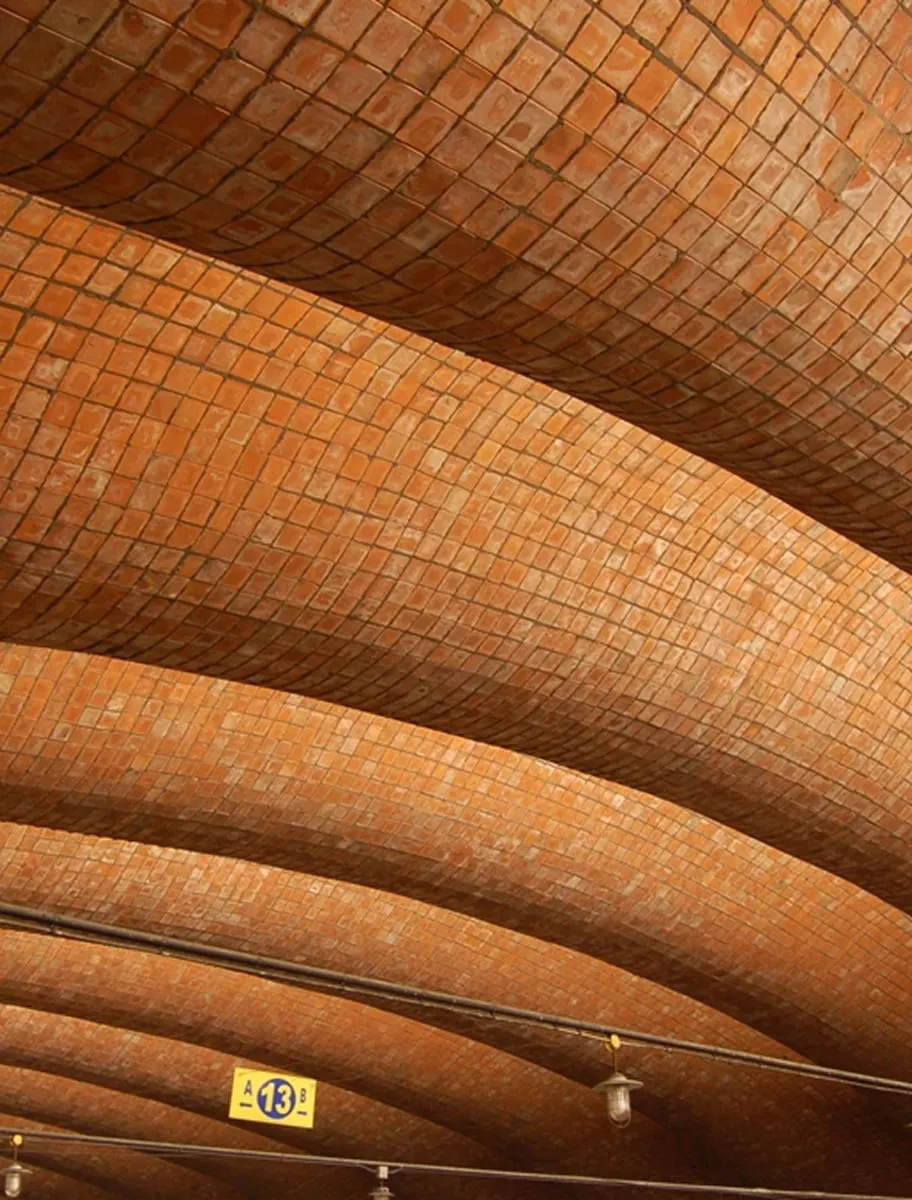
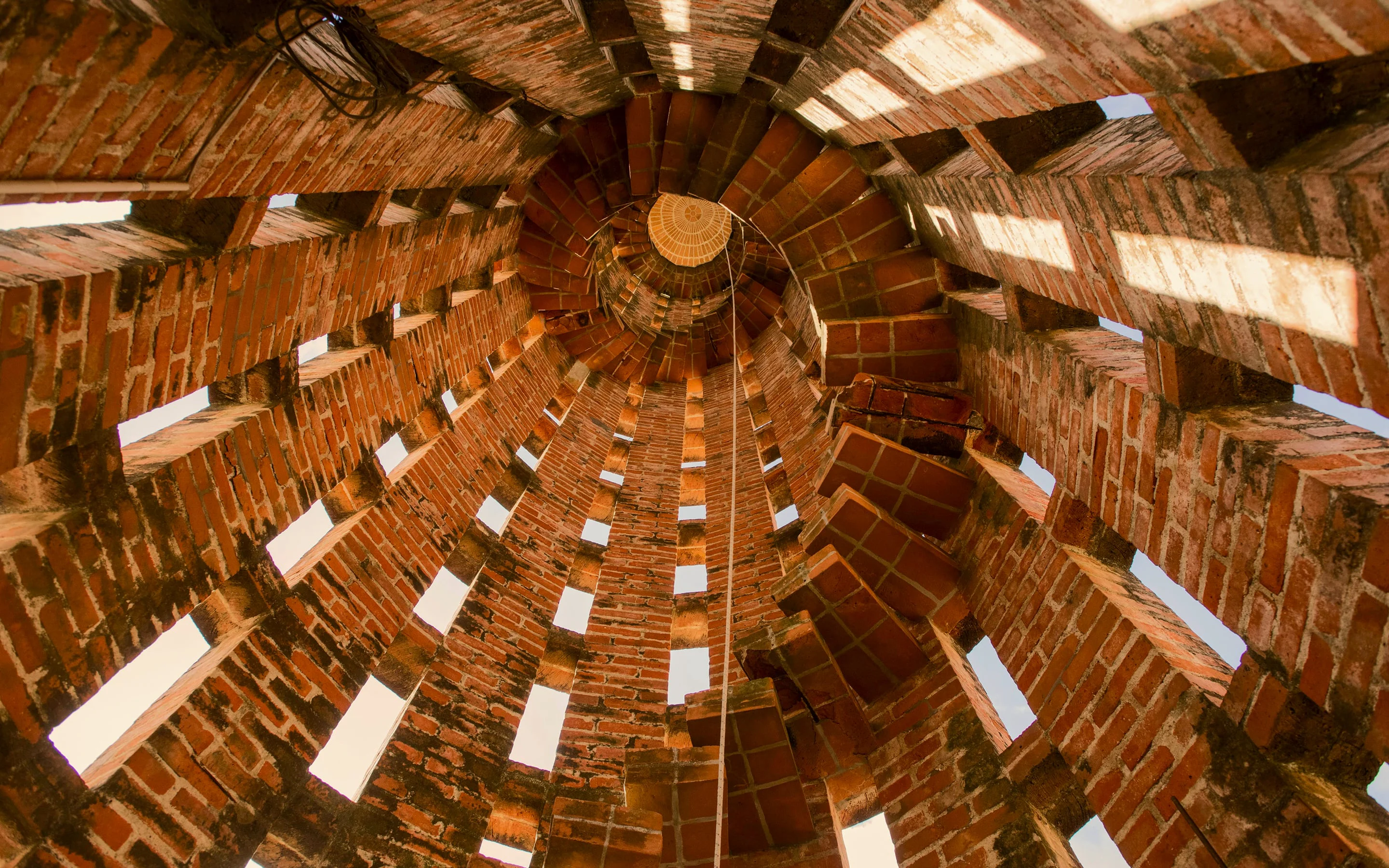
His work stands as a testament to inventiveness, a deep understanding of materials, and a constant pursuit of beauty through structural efficiency. Dieste revolutionized construction with his self-supporting thin-shell structures, defined by their formal elegance and structural efficiency.
Work
1947
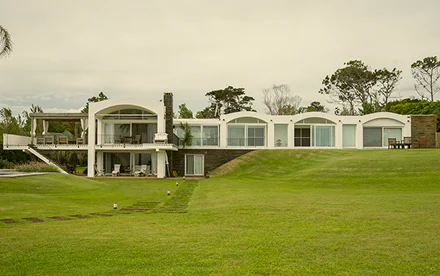
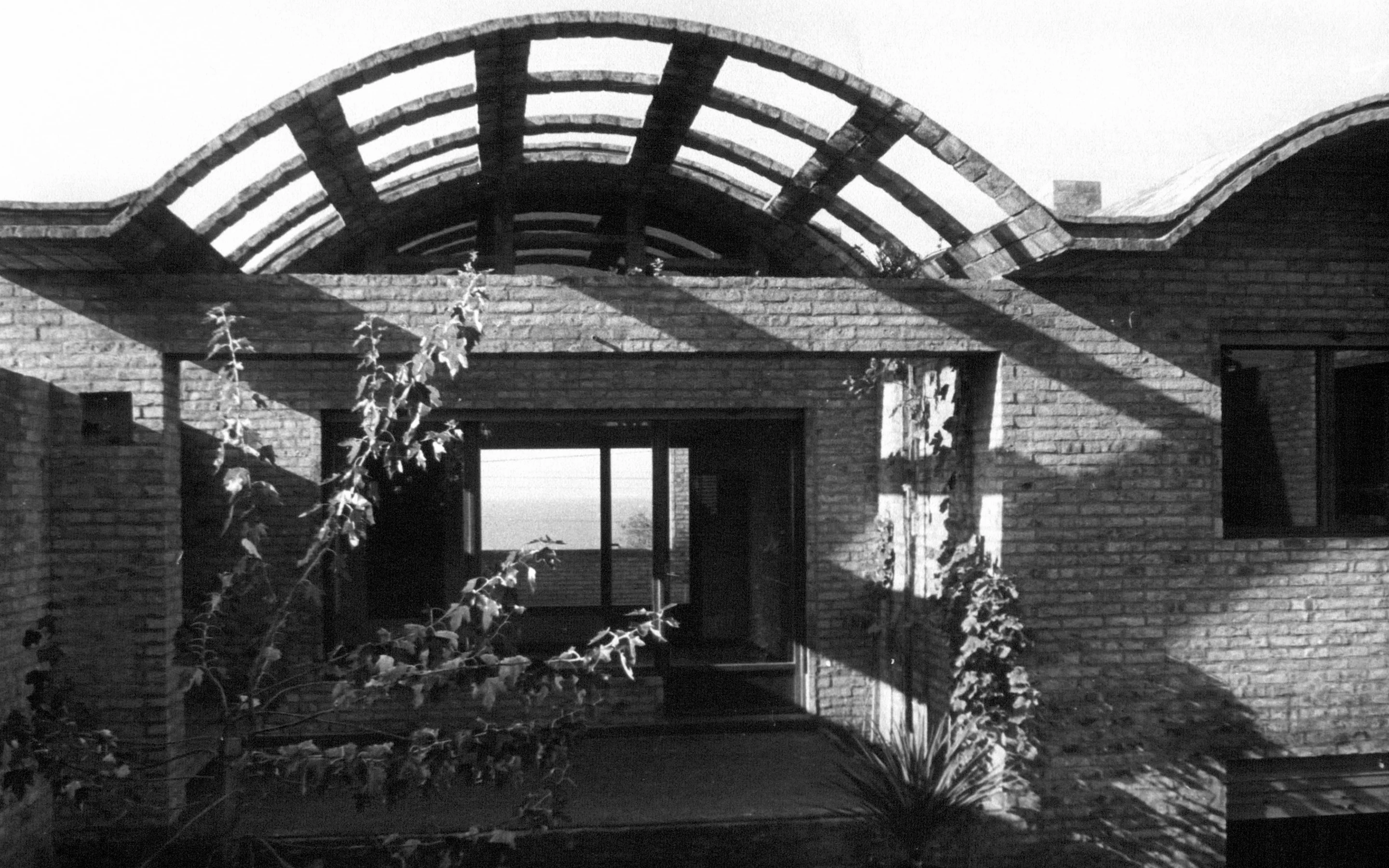
Berlingieri Housing(Coming soon)
1960
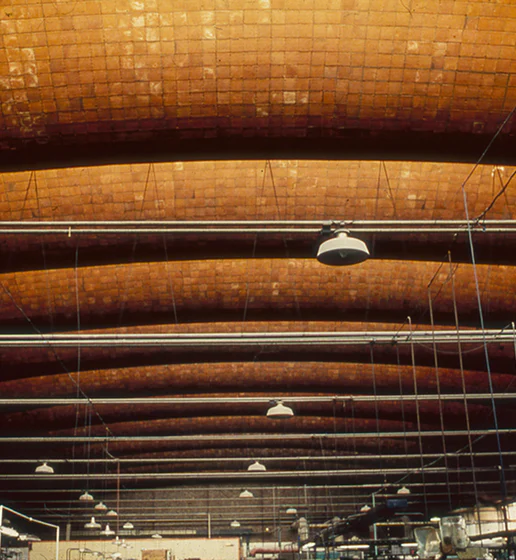
TEM S.A. Factory(Coming soon)
1965
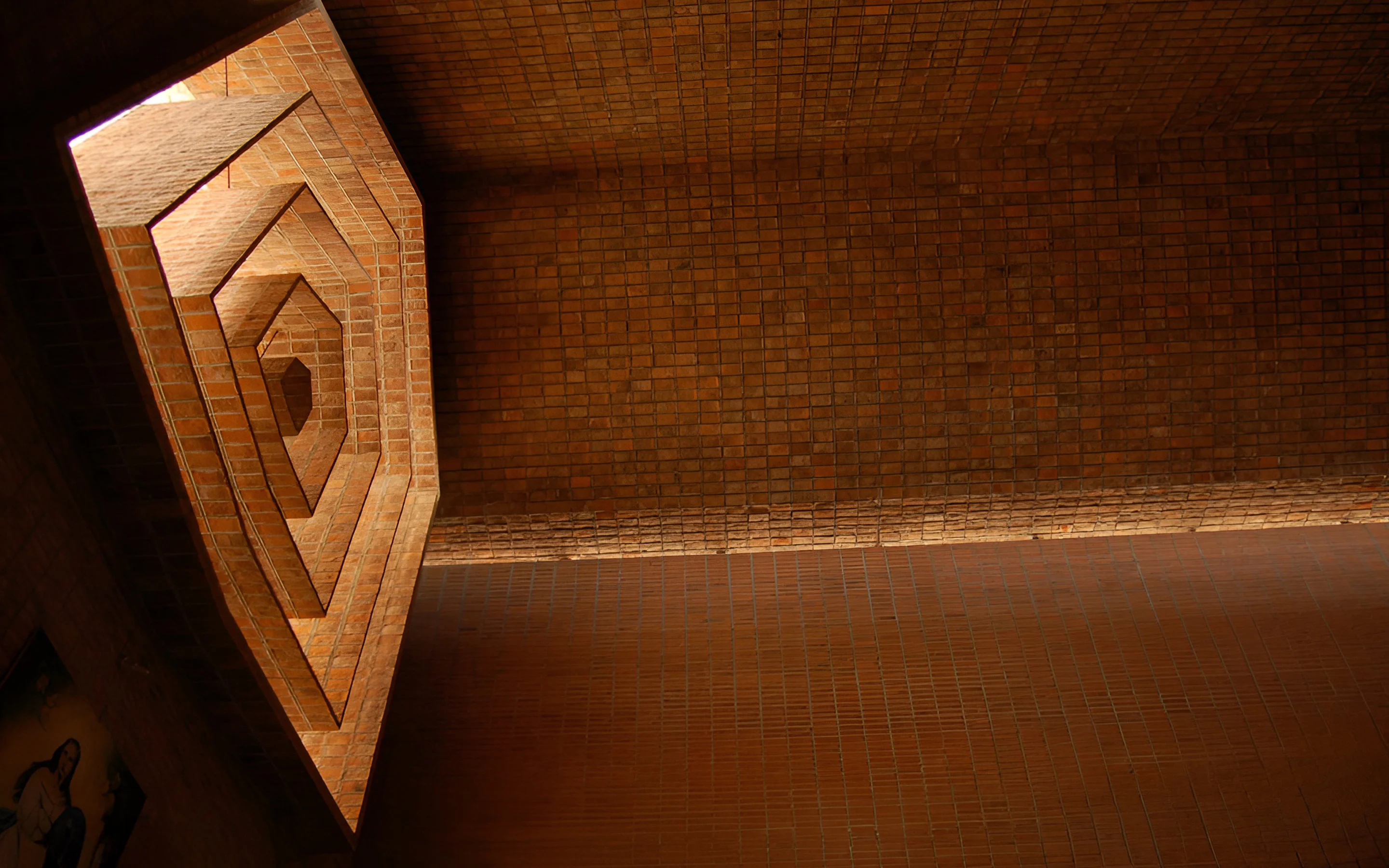
Church of Malvín, Nuestra Sra. de Lourdes(Coming soon)
1973
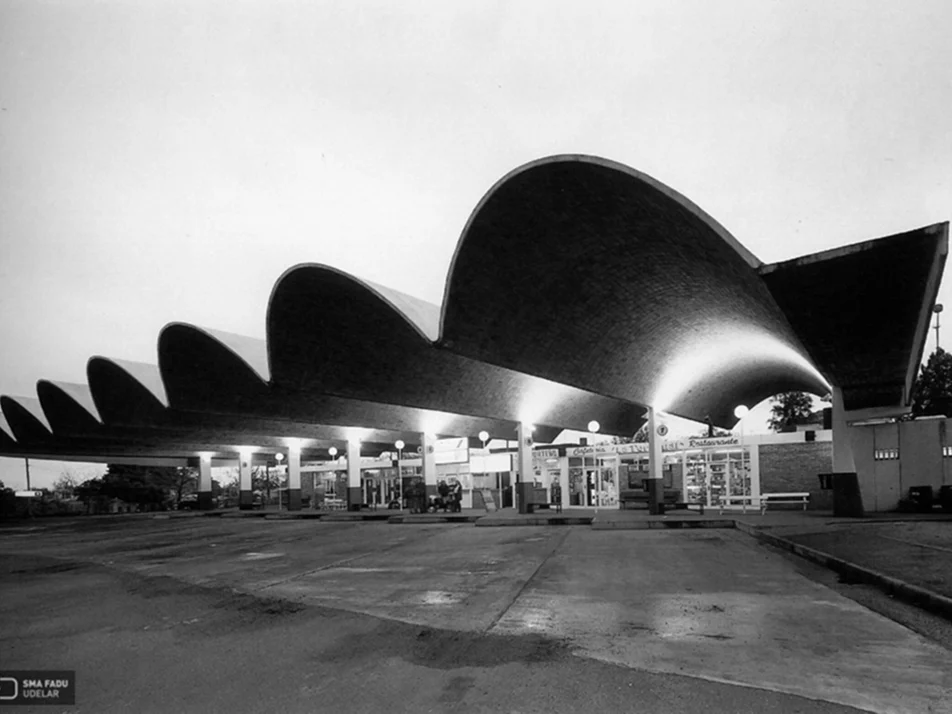
Municipal Bus Terminal(Coming soon)
1974
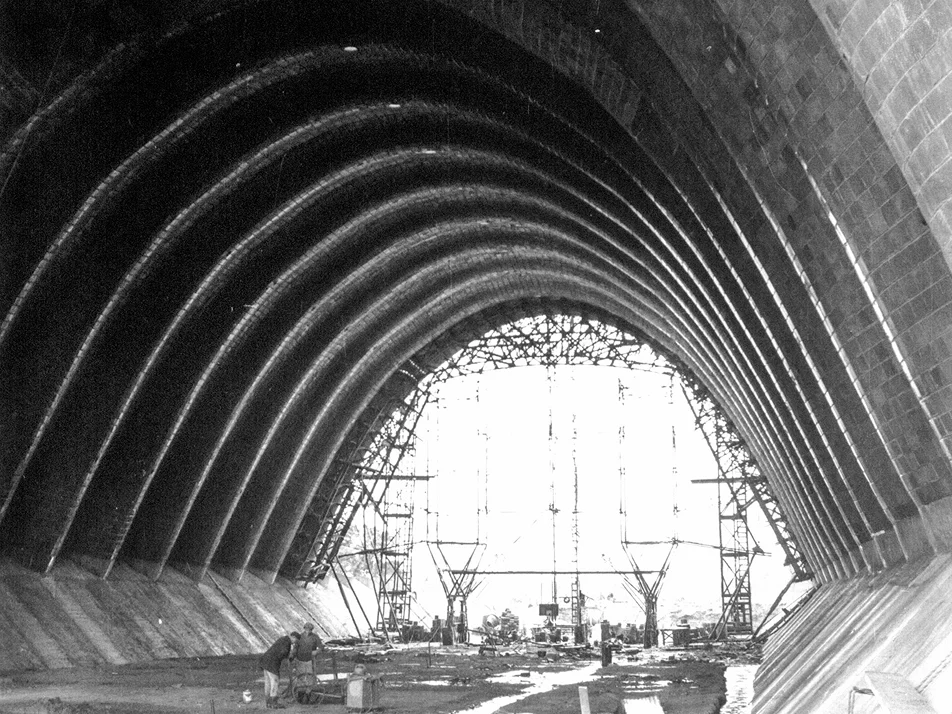
SAMAN S.A. Silo(Coming soon)
1974
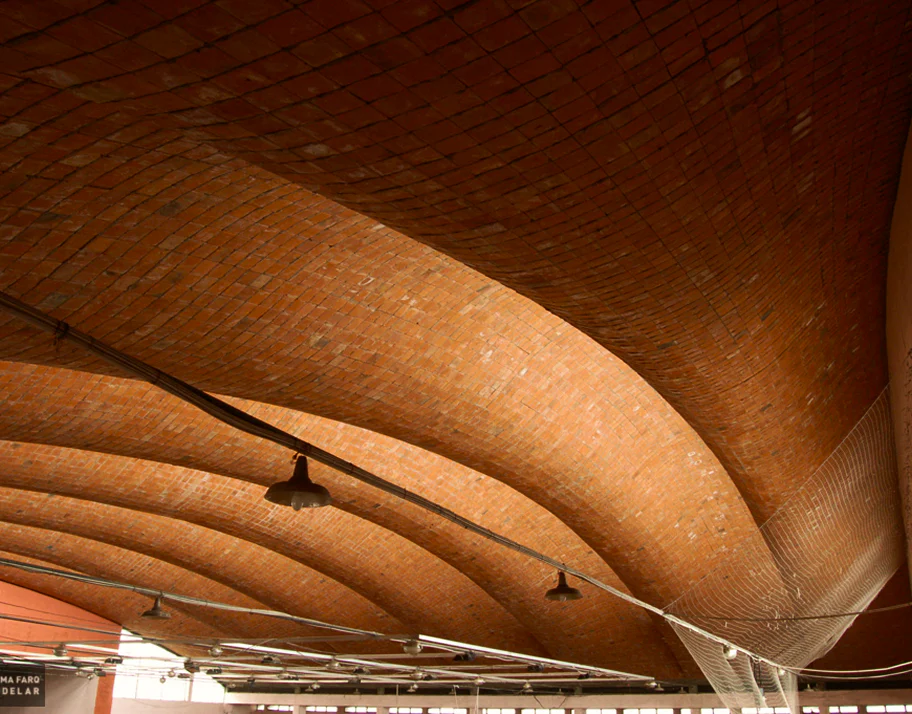
Multipurpose Sports Hall(Coming soon)
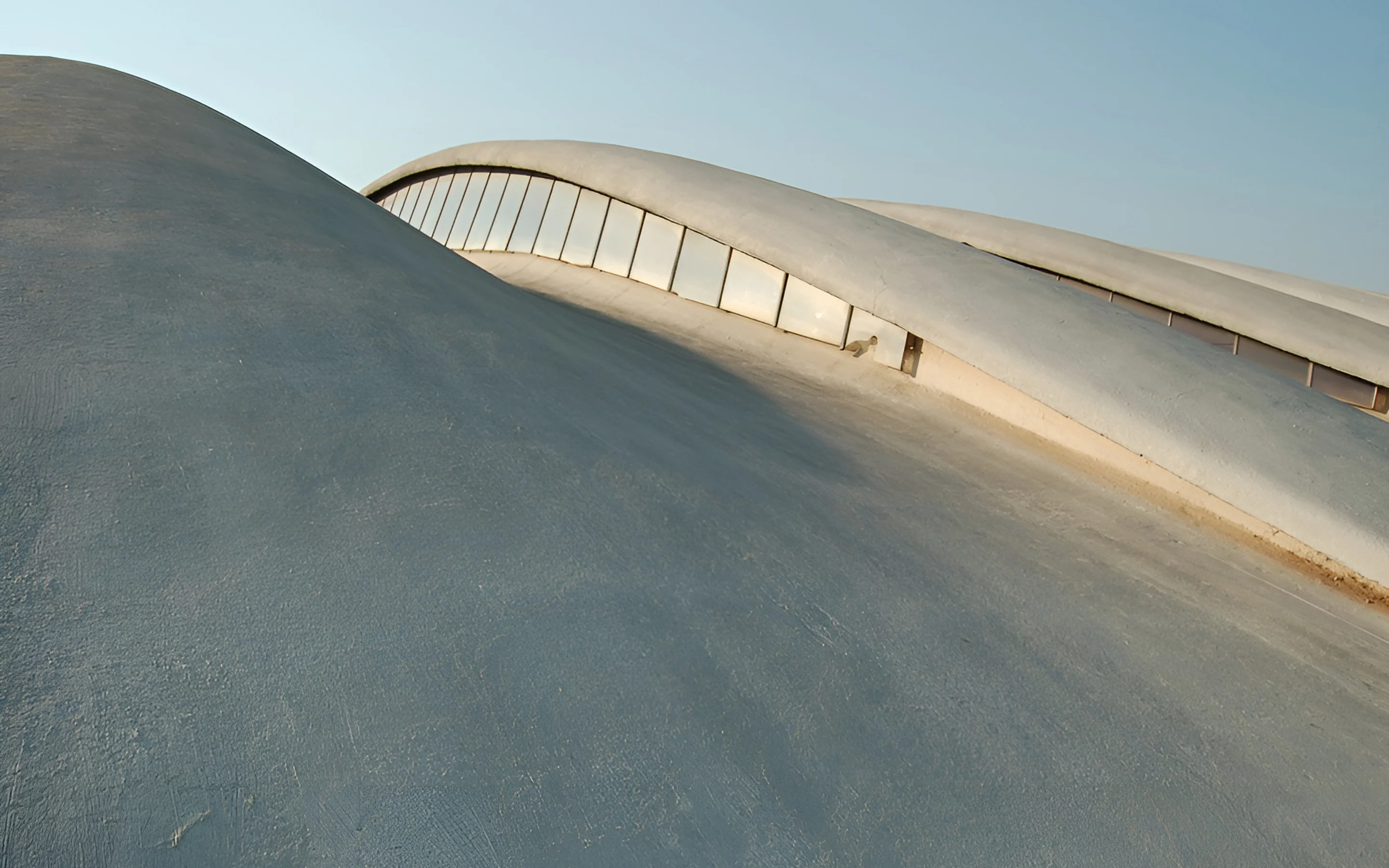
1978
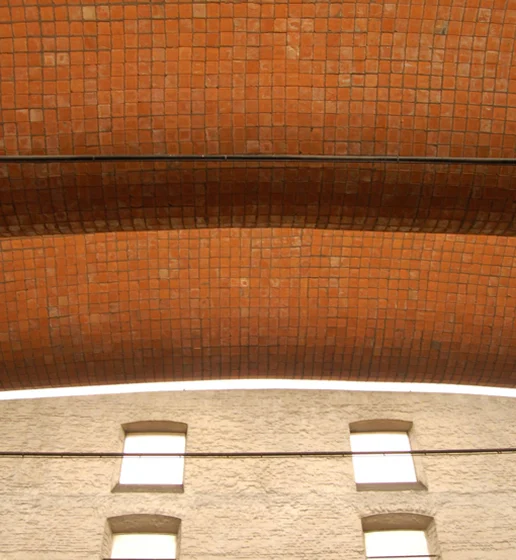
Julio Herrera y Obes Warehouse(Coming soon)
1983
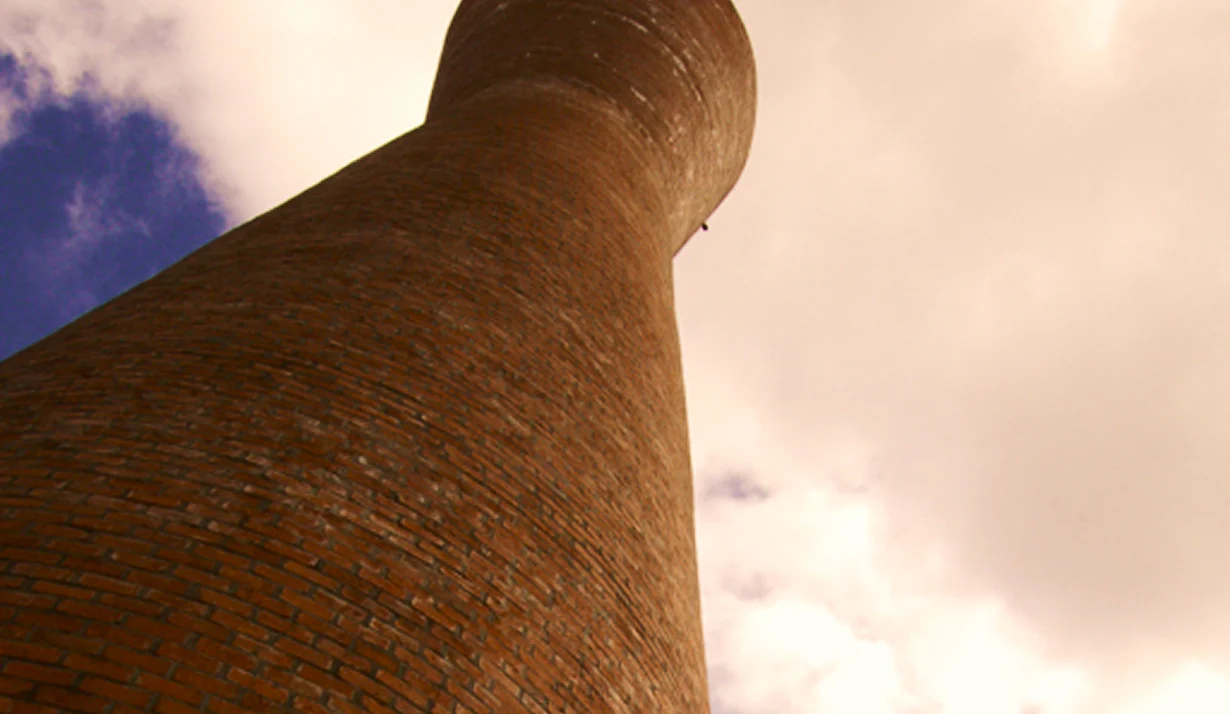
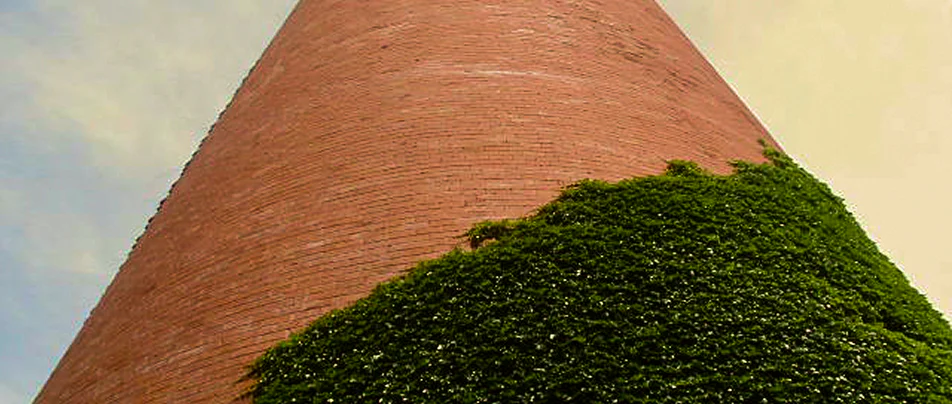
Water Tank of Complejo América(Coming soon)
1984
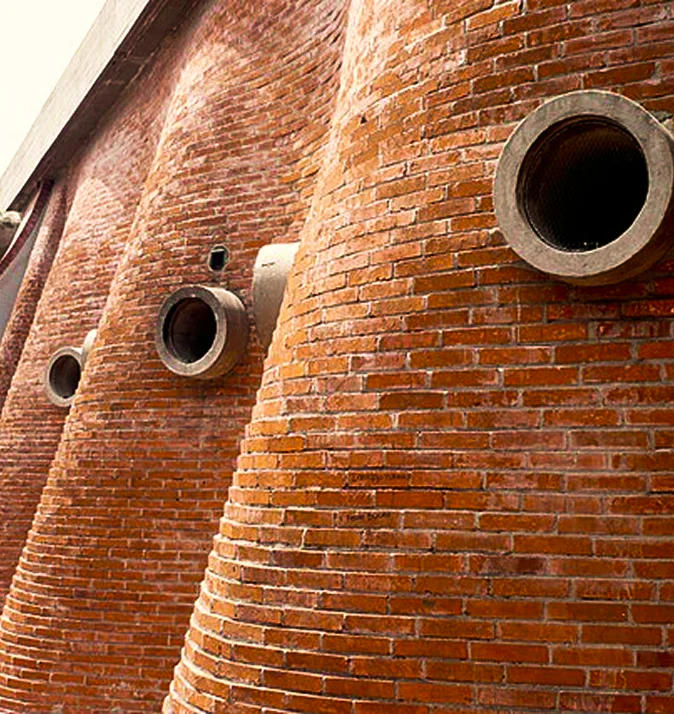
Montevideo Shopping Center(Coming soon)
1986
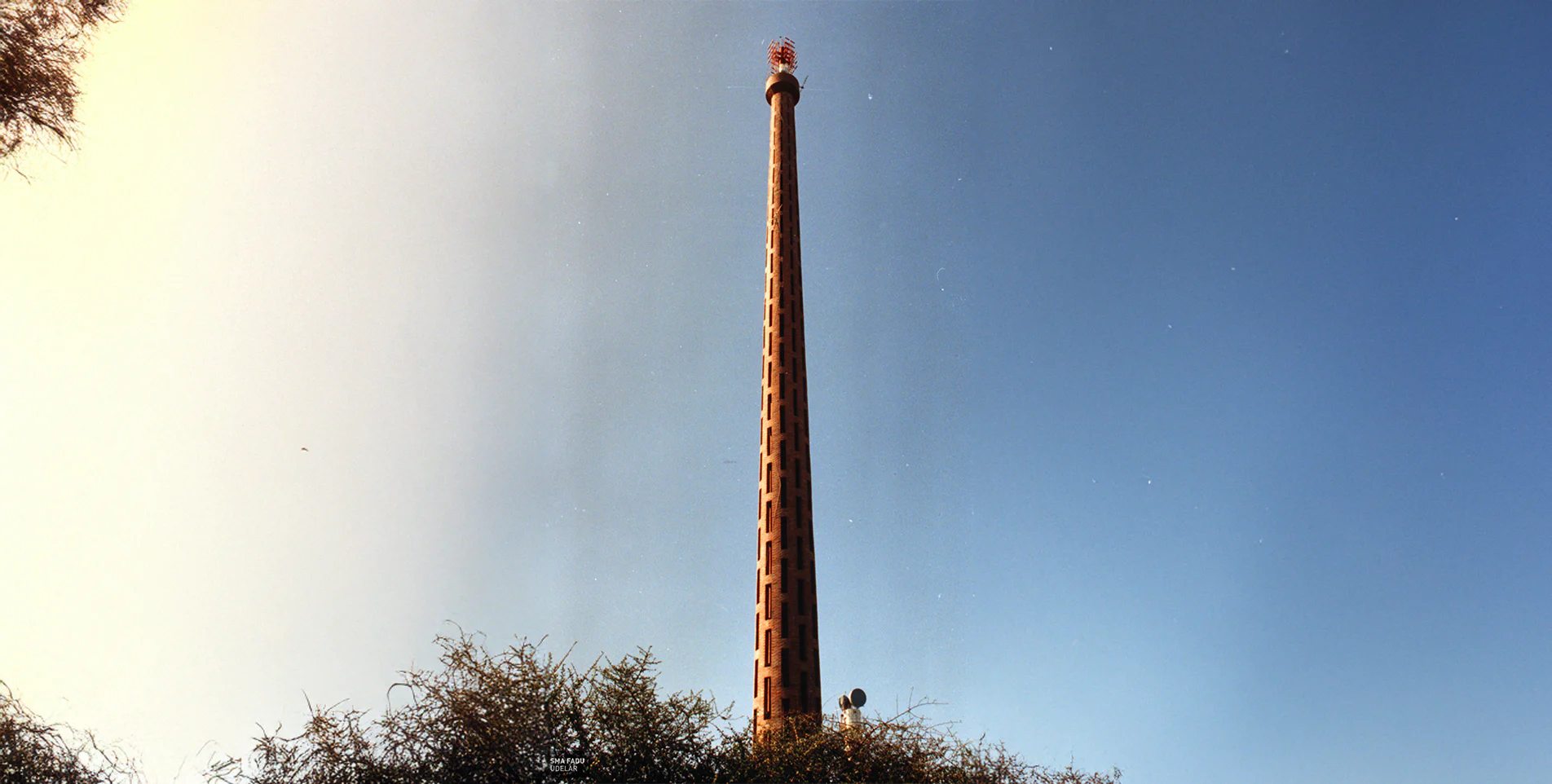
Canal 9 Telecommunications Tower(Coming soon)
→ 1917-2000
Artigas, Uruguay
Through his innovative reinforced brick techniques, Dieste pursued an “architecture of necessity,” one in which function and form merge in a poetic yet efficient way.
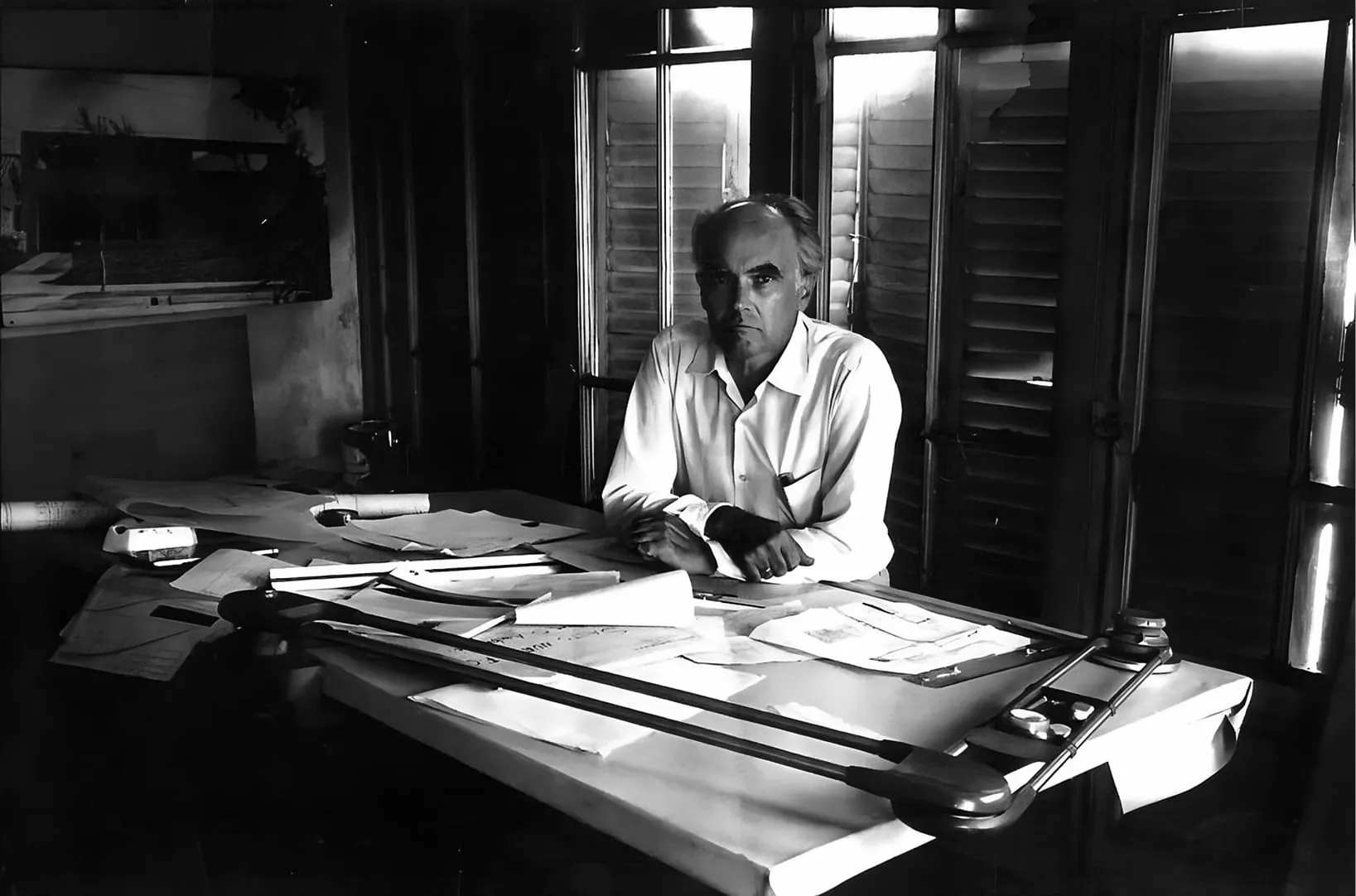
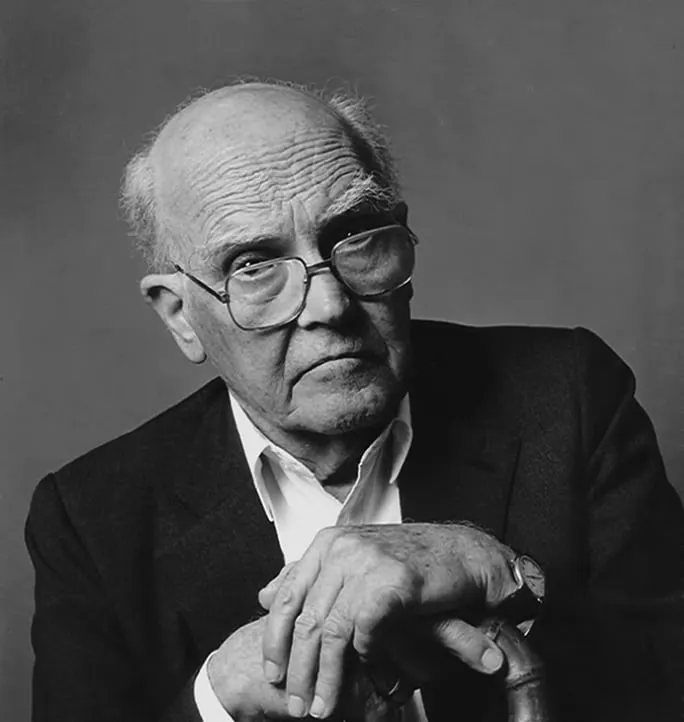
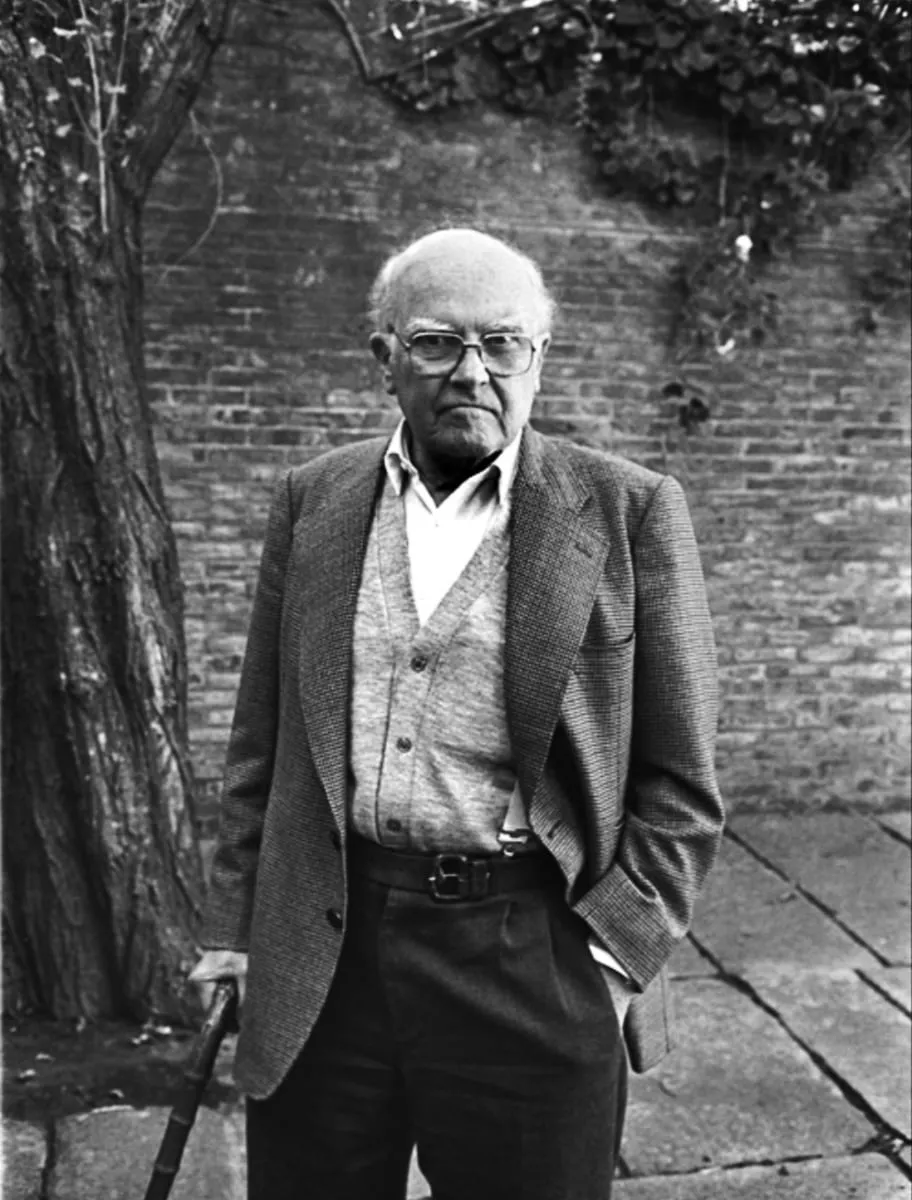
Photo: (FADU, UDELAR)
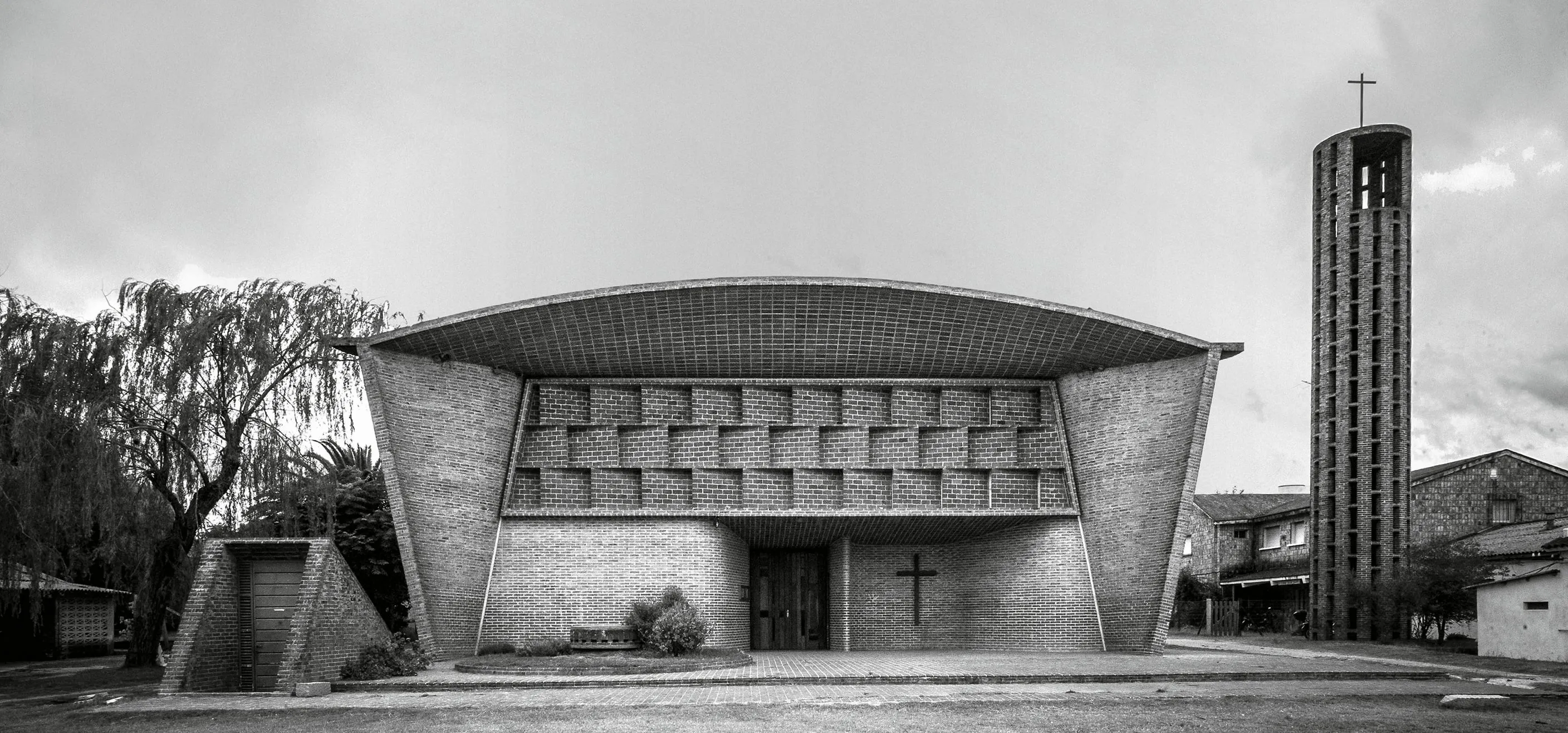
In 2005, he was honored by the Museum of Modern Art in New York (MoMA), Princeton University, and the Massachusetts Institute of Technology (MIT), which designated that year as the “Year of Eladio Dieste.” In 2021, The work of engineer Eladio Dieste: Church of Atlántida was declared a UNESCO World Heritage Site.
The intersection of engineering and architecture
Dieste revolutionized construction with his self-supporting thin-shell structures, distinguished by their formal elegance and structural efficiency.
“Architecture with a strong personality has never been the result of pursuing it as an end in itself. It is not easy to have a clear image of the end, but it is possible to be clear about the principles that must inform it. That is why the idea that ‘the end justifies the means’ is a fundamental mistake. We do not know what the end is; we know what it must be faithful to. Productivity and efficiency are not ends in themselves. The full realization of the human being is.”
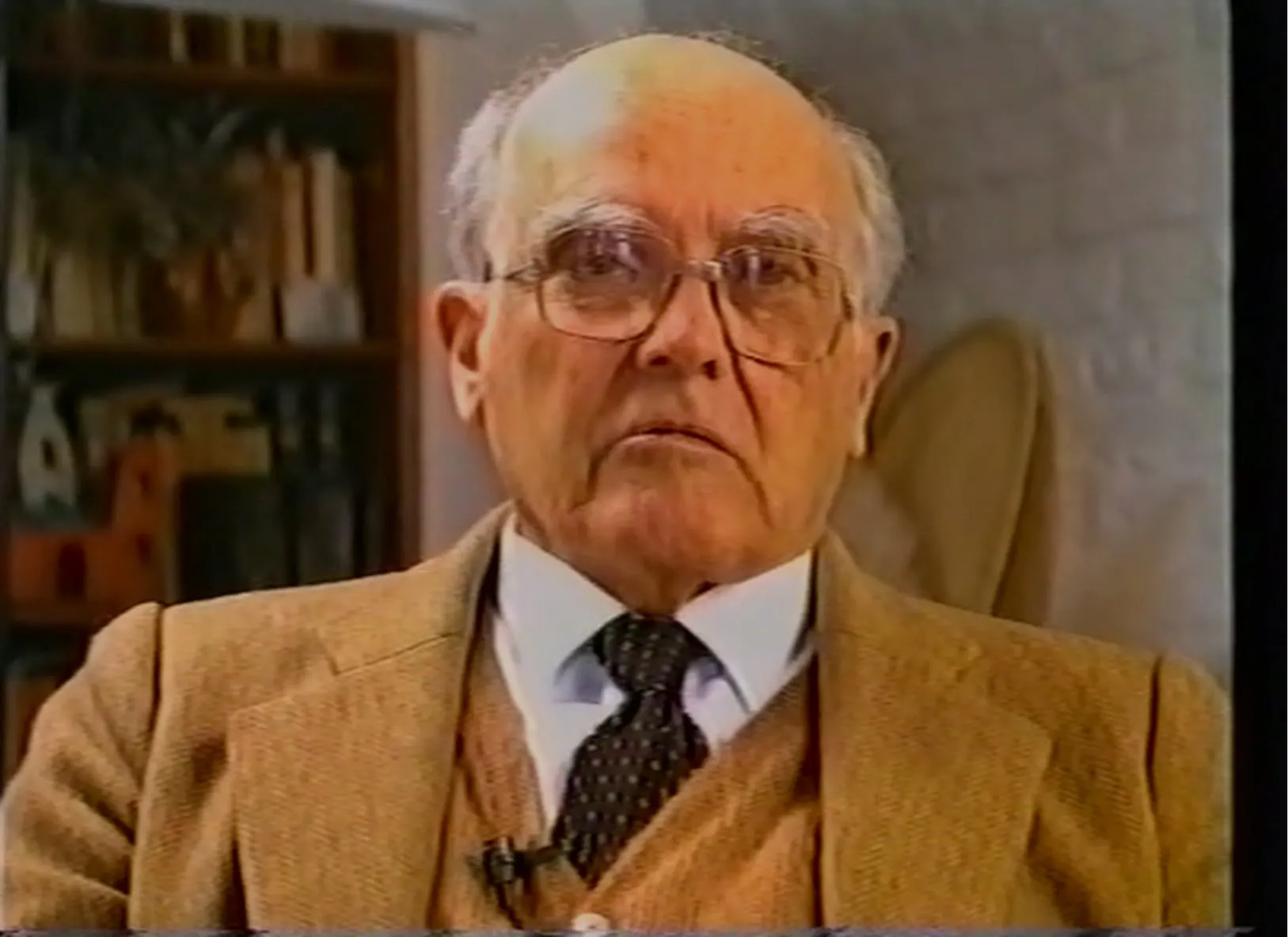
An engineer who became an artist, Dieste elevated brick to the status of a noble material, creating a distinctive, economical, and deeply human architecture—one whose impact continues to resonate in the way we understand construction and design today.
In addition to his work as an engineer, Dieste was a university professor until 1973 and worked at Uruguay’s Ministry of Public Works, within the Departments of Roads and Architecture. He wrote extensively about his inventions, particularly on reinforced ceramic structures.